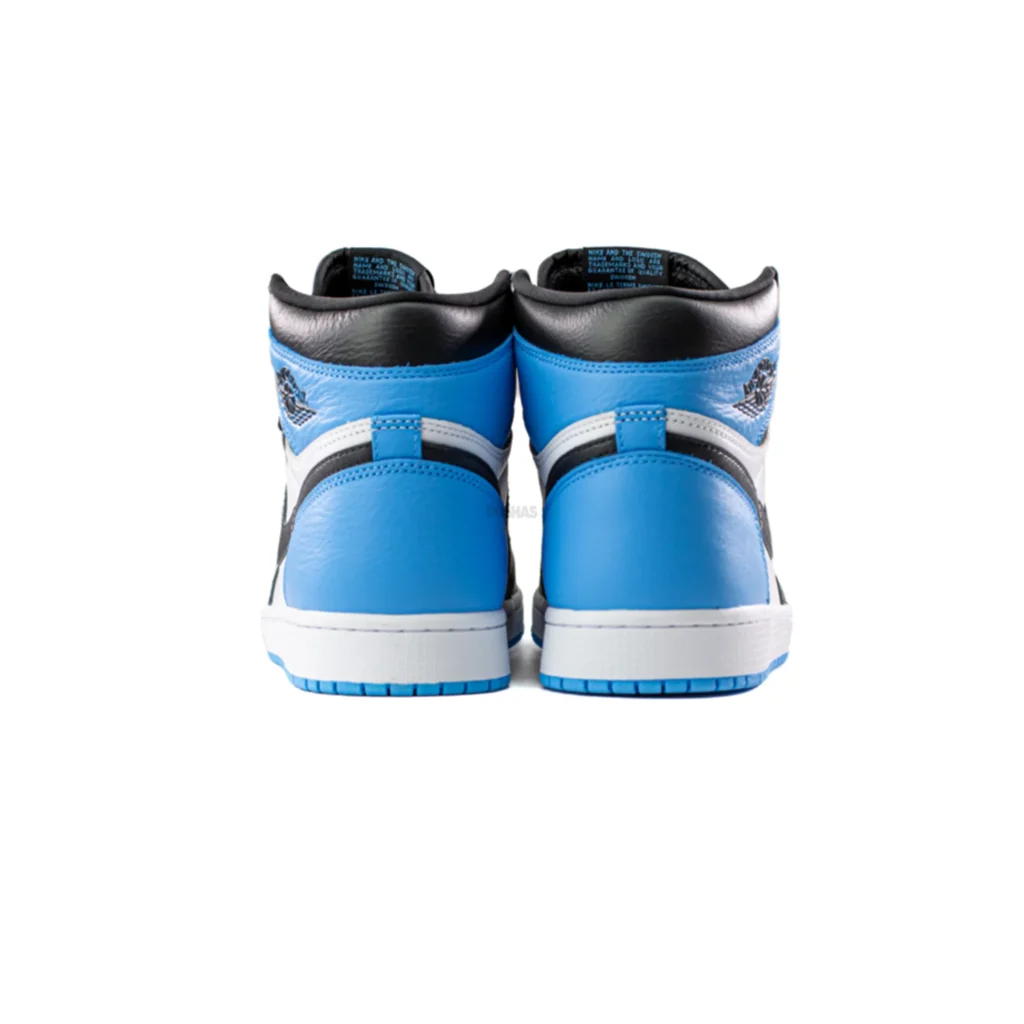
The replica sneakers culture has exploded in recent years, fueled by limited releases, celebrity endorsements, and the allure of exclusive footwear. This surge in popularity has also given rise to a thriving market for replica sneakers, often called “reps.” These counterfeit sneakers, designed to mimic the appearance of authentic pairs, have become a controversial topic within the sneaker community.
The Allure of Replica Sneakers
The appeal of replica sneakers is multifaceted. Primarily, they offer a more affordable alternative to authentic pairs, which often command exorbitant prices. Limited-edition releases, in particular, can be challenging to acquire, driving up resale values to astronomical levels. Replicas allow sneaker enthusiasts to own coveted styles without breaking the bank.
The Ethical Debate
However, the rise in popular fake sneakers has sparked ethical concerns. The production and sale of counterfeit goods infringes on the intellectual property rights of legitimate brands. It undermines the hard work and innovation of designers and manufacturers who create authentic sneakers. Furthermore, the quality and safety of replica sneakers are often questionable. They may be made with inferior materials and poor manufacturing processes, potentially leading to discomfort, injury, or even health hazards.
The Evolving Landscape
As the demand for sneakers continues to grow, so does the replicas market. Advancements in manufacturing technology have made it increasingly difficult to distinguish between authentic and counterfeit pairs, even for experienced collectors. Brands invest heavily in anti-counterfeiting measures, such as advanced authentication techniques and supply chain transparency. However, the cat-and-mouse game between legitimate brands and counterfeiters will likely continue.
The future of replica sneakers remains uncertain. While they offer a tempting alternative for many, the ethical and legal implications cannot be ignored. As consumers, it is essential to make informed choices and support legitimate businesses. By understanding the risks and consequences associated with purchasing replica sneakers, we can contribute to a more ethical and sustainable sneaker culture.
The Role of Technology in Combating Counterfeits
Technology has played a crucial role in creating and detecting replica sneakers. Advanced manufacturing techniques, such as 3D printing and AI-powered design tools, have enabled counterfeiters to produce increasingly sophisticated replicas. On the other hand, technology has also empowered brands to develop innovative anti-counterfeiting measures.
The rise of replica sneaker has had a significant impact on sneaker culture. While it has democratized access to popular styles, it has also diluted the exclusivity and prestige associated with limited-edition releases. The fear of receiving a counterfeit pair has increased skepticism and mistrust among sneaker enthusiasts.
To address these challenges, the sneaker community has developed a strong sense of authenticity and community. Online forums and social media platforms are used to share information, authenticate sneakers, and expose counterfeiters. By fostering a culture of knowledge and transparency, the community can help to protect consumers and maintain the integrity of the sneaker market.